 By
By 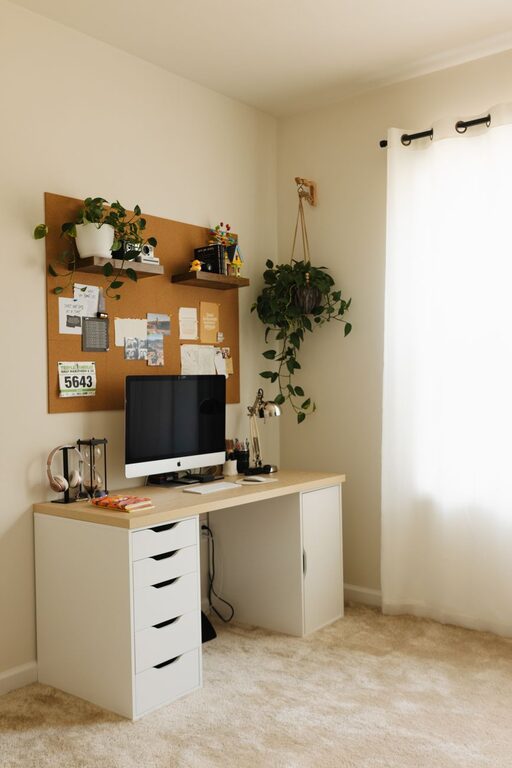
Working from home has become a norm for many, and having a productive home office environment is key to maintaining focus and efficiency. Whether you’re a remote employee, freelancer, or entrepreneur, a well-designed workspace can improve your workday experience and output. In this post, we’ll explore practical tips to help you create a home office environment that supports productivity, comfort, and motivation.
Why a Productive Home Office Matters
A dedicated and well-organized home office helps separate work from personal life, reduces distractions, and encourages a professional mindset. It’s not just about having a desk; it’s about creating a space that promotes good posture, clear thinking, and easy access to everything you need.
Choosing the Right Location
Find a Quiet Spot
Pick a space in your home that is quiet and away from high traffic areas. This reduces interruptions and helps you stay focused on tasks.
Prioritize Natural Light
Natural light boosts mood and energy levels. Position your desk near a window if possible. If natural light is limited, choose good quality task lighting that mimics daylight.
Consider Privacy
If video calls or confidential work are part of your routine, ensure your workspace offers some privacy or soundproofing to avoid distractions and interruptions.
Setting Up Your Workspace
Invest in a Comfortable Chair
A supportive chair with adjustable height and good lumbar support is essential for long work hours. Comfort reduces fatigue and prevents back pain.
Choose the Right Desk
Select a desk that fits your room and work style. Ensure there’s enough surface space for your computer, documents, and other tools without feeling cramped.
Organize Efficiently
Use shelves, drawers, or organizers to keep your workspace tidy. Clutter can be distracting and reduce efficiency.
Optimizing Your Equipment
Use Quality Technology
Reliable hardware such as a good computer, fast internet connection, and essential peripherals (keyboard, mouse, headset) makes work smoother and less frustrating.
Consider Dual Monitors
If your work involves multitasking or extensive document review, dual monitors can increase productivity by reducing the need to switch windows constantly.
Manage Cables Neatly
Keep cables organized and out of the way using cable ties or clips. This prevents tangling and keeps the workspace visually clean.
Enhancing Comfort and Wellbeing
Maintain Proper Ergonomics
Position your monitor at eye level and keep your feet flat on the floor. Regularly adjust your posture to avoid strain.
Incorporate Movement
Take short breaks to stretch or walk around. Movement boosts circulation and reduces the risk of repetitive strain injuries.
Control Temperature and Air Quality
Keep the space well-ventilated and at a comfortable temperature. Fresh air increases alertness and reduces fatigue.
Creating a Focus-Friendly Environment
Minimize Distractions
Turn off unnecessary notifications and use noise-canceling headphones if needed. Inform household members of your work hours to reduce interruptions.
Personalize Your Space
Add a few personal or inspirational items like plants or artwork. This creates a pleasant atmosphere without cluttering your workspace.
Set Boundaries
Establish clear work hours and communicate them. Having a routine and boundaries helps you stay focused during work hours and disconnect afterward.
Staying Organized and Motivated
Plan Your Day
Use a to-do list or digital planner to outline tasks. Breaking work into manageable chunks improves focus and productivity.
Keep Breaks Scheduled
Regular breaks help maintain concentration and prevent burnout. Use techniques like the Pomodoro Method—25 minutes of work followed by a 5-minute break.
Reflect and Adjust
Periodically assess your workspace and habits. Small changes can make a big difference in comfort and efficiency.
Conclusion
Creating a productive home office environment involves more than just setting up a desk and chair. Thoughtful choices about location, equipment, organization, and personal habits contribute to a workspace that inspires focus and well-being. By applying these tips, you can transform your home office into a space where productivity thrives and work feels more enjoyable.